

Fuel costs on job sites rarely match budget estimates. You look at the estimates, then you look at the actuals, and something does not add up. A missed log here, a machine left idling there, an incorrect fuel entry, or a refueling run that nobody wrote down.
On their own, these gaps look harmless. Over a month, over a year, they eat into your margins faster than you’d realize. This is exactly why running a fuel usage audit is necessary. It helps you know where every gallon went rather than just hoping the numbers match.
A fuel usage audit reviews how much fuel was delivered to your site, how much was stored, and how much each piece of equipment actually consumed. It highlights waste, leaks, and unauthorized use before they turn into bigger problems.
This detailed guide explains how to audit fuel usage on job sites, what data to track, and how to catch issues early. Solid job site fuel management starts with knowing your numbers.
What Is a Fuel Usage Audit?

A fuel usage audit is the process of tracking, measuring, and verifying fuel usage across a job site. It compares what came in against what was used and what remains. When those numbers do not add up, you have a variance to investigate.
What Gets Measured
A proper fuel usage audit on job sites measures:
- Fuel delivered to the site
- Fuel dispensed to individual equipment or crews
- Remaining tank levels at the end of each shift or period
- Run hours for every equipment
These numbers create a simple balance. If something does not match, it points to a gap that requires immediate attention.
Why It Matters
Fuel is always one of the top operating costs on any job site. When you don’t track fuel usage closely, costs can shoot up without warning. This is why you end up ordering more fuel than you need, or worse, running out at the worst possible time.
A fuel usage audit helps verify that supplier deliveries match what you actually received. It gives you a reliable internal record for reporting and keeps everyone honest.
How to Audit Fuel Usage on Job Sites
Whether you manage a single excavator or a fleet of trucks, here are the six steps Fuel Monkey advises you to take when auditing fuel usage.
Step 1: Record Fuel Deliveries
Every audit starts with knowing exactly how much fuel arrives on site. Here’s what you should do:
- Track the date, volume, and supplier for each delivery
- Match delivery tickets with your tank capacity to avoid overfills or errors
- Log your starting inventory before and after delivery
If your records begin with incorrect numbers, everything that follows will possibly be off. This step sets the baseline for your entire audit.
Step 2: Track Daily Fuel Dispensing
Once fuel is on site, you need to know where it goes. Always record the gallons you issue to each machine or crew, every single time. Whether you use a manual logbook or a pump meter, record the volume, equipment number, time, and operator’s name.
This step is where many job sites lose control. Skipping even a few entries can create gaps that are hard to explain later.
Step 3: Monitor Equipment Usage
Fuel usage only makes sense when you compare it to equipment usage. First, log engine hours for each machine daily or weekly. Then compare usage against expected fuel burn rates. Finally, identify equipment that consumes more than normal.
This step links fuel-consumption tracking equipment data to real activity. If a machine shows high fuel use but low run hours, it may be idling too much or running inefficiently.
Understanding what fuel economy is at the equipment level helps here. Fuel economy refers to how much work your equipment does per unit of fuel. When it drops, costs rise.
Step 4: Measure Tank Levels
You need accurate tank readings before conducting any audits. For the best results, perform daily or weekly dip checks on all your storage tanks. You can use tank gauges, if available, for more accurate readings.
Also, make sure you record your closing inventory at the end of each reporting period. This number is what you carry forward to the next period. It also becomes the number you use to calculate variance.
Step 5: Calculate Fuel Variance
Once you have your numbers, you can calculate variance using this formula:
Variance = Delivered Fuel — (Used Fuel + Remaining Fuel)
A small variance is normal. Maybe a gallon or two evaporates, or a meter reading is slightly off. A large variance, on the other hand, means something is off and needs a closer look.
Let’s put this into perspective. Most people use the average mpg for cars to gauge efficiency on the road. The same logic applies to job sites. However, you’ll use gallons per hour, not miles per gallon (mpg).
A simple gas calculator or fuel consumption calculator can help confirm your totals and quickly spot discrepancies.
Step 6: Investigate Irregularities
When the numbers don’t add up, dig deeper. Look for sudden spikes in daily consumption that do not match equipment hours. Also, review any missing or incomplete logs, particularly on weekends or after-hours shifts. Finally, identify all equipment with abnormal fuel consumption on your job site.
Common Causes of Fuel Loss on Job Sites

When an audit reveals missing fuel, most site managers immediately think of theft. Sometimes they are right. But fuel loss comes in many more forms. Understanding the range of causes can help you stop the problem at the source.
Operational Waste
Excessive idling is one of the biggest contributors to unplanned fuel use. When crews leave equipment running between tasks, fuel consumption increases without producing output. Poor equipment maintenance also reduces engine performance, causing equipment to consume more fuel to do the same work.
In some cases, inefficient scheduling keeps machines running longer than necessary. These issues are easy to miss because they build slowly over time, making them harder to spot without consistent fuel tracking in construction.
Fuel Theft
Fuel theft is another risk, particularly on larger or remote sites where oversight is difficult. This can include unauthorized siphoning from tanks or equipment, after-hours usage that crews don’t record, or missing and altered logs. These activities can quickly lead to unexplained fuel loss.
To detect fuel theft, look for unusual patterns. This could include sudden increases in consumption or discrepancies between recorded usage and actual equipment activity.
Measurement Errors
In some cases, the problem is not fuel loss but incorrect data. Inaccurate tank readings, missing delivery records, or simple mistakes in manual logging can all affect your numbers. These errors may lead to false alarms or, worse, hide real issues that need attention.
Tools Used in Fuel Audits
You do not need a control room full of screens to run an audit. The tools you choose depend on the size of your operation and what you can consistently manage.
Manual Tracking Methods
Many sites start with simple tools, including:
- Fuel log sheets: A simple paper or spreadsheet record for every delivery and tank check.
- Tank dipsticks: A reliable low-tech way to physically measure fuel levels in storage tanks.
- Delivery receipts: Keep every ticket from every fuel delivery as your primary record of what came in.
Digital Tracking Systems
Larger sites typically use digital tracking tools, such as:
- Telematics systems: Pull engine-hour and fuel-consumption data directly from equipment.
- Fuel management software: Allows you to track and report across multiple machines and crews in one place.
- Tank monitoring sensors: Provide real-time level data and alerts when levels drop unexpectedly.
When to Use Each
Small sites with few machines can manage well with manual logs, as long as you make entries consistently and review them regularly. Large fleets with many machines and operators, as well as extended project timelines, should adopt automated tracking. Such systems provide accurate fuel data without slowing your team.
How to Build a Fuel Usage Report
A fuel usage report doesn’t need to be fancy. It just needs to be clear and consistent, telling you whether your controls are working and where you need to pay close attention next.
Key Data Points
Every fuel usage report in construction should include the following:
- Total fuel delivered during the reporting period
- Total fuel used across all equipment and crews
- Remaining inventory at the end of the period
- Variance, which is the difference between what was delivered and what was used, plus what remains
Sample Report Structure
| Metric | Value |
| Fuel Delivered | 5,200 gallons |
| Fuel Used | 4,800 gallons |
| Remaining Fuel | 350 gallons |
| Variance | +50 gallons |
This format works for daily, weekly, monthly, or quarterly reporting. Over time, it helps you spot trends and compare performance across projects.
Best Practices for Accurate Fuel Auditing
Having a process is one thing. Keeping it running week after week is another. This is why auditing fuel usage only works when data is reliable. These practices help keep records clean and consistent across your operation.
Standardize Logging
Every crew should use the same log format that includes dates, equipment number, gallons, and operator name. When everyone does it the same way, you can compare data across crews and sites without spending hours reformatting spreadsheets.
Also, make sure they make daily entries rather than weekly catch-ups, which are more likely to be incomplete or estimated.
Assign Responsibility
Each job site should have one person responsible for overseeing fuel records. When everyone is responsible, no one is, and gaps appear. Having a single point of accountability reduces the chance of missing entries and makes it easier to follow up when something looks off.
Audit Regularly
Weekly reviews capture variances while they are still small. For instance, a quick Friday look at the numbers tells you whether the weekend crew needs to tighten up. Monthly summaries, on the other hand, track trends and identify whether fuel usage issues are isolated or recurring.
When to Improve Your Fuel Tracking System
At some point, manual tracking may no longer be enough. Consider upgrading your tracking system if:
- You notice frequent unexplained fuel loss that manual logs cannot account for.
- Your job site has lots of machines with multiple operators across multiple shifts.
- You have no visibility into individual equipment consumption.
- Your actual fuel costs consistently exceed your project estimates.
If any of these apply, it may be time to rethink your tracking methods or review your fuel supply process.
Key Takeaways
- A fuel audit compares delivered fuel against actual usage and remaining inventory to identify gaps.
- Daily tracking creates the paper trail you need to spot patterns and catch irregularities early.
- Variance between what you bought and what you used often points to operational waste, theft, or simple reporting gaps.
- Simple logs and tank checks can catch most issues early.
FAQs
How often should fuel usage be audited?
Review fuel usage daily at the log level and audit weekly for accuracy. Monthly summaries help track trends over time.
What is acceptable fuel variance?
A variance of 1 to 2% is generally within the normal range due to measurement rounding and minor evaporation.
How do you detect fuel theft on a job site?
Watch for spikes in variance, missing logs, after-hours activity, or tampered tanks.
Can small job sites audit fuel without software?
Yes. Manual logs, delivery receipts, and regular tank dip checks are enough for a small site.
What data is needed for a fuel audit?
You need four things: total fuel delivered, total fuel dispensed to equipment, closing tank inventory, and engine hours per machine. With these data points, you can calculate total usage and variance.
Fuel Solutions You Can Rely On 24/7!
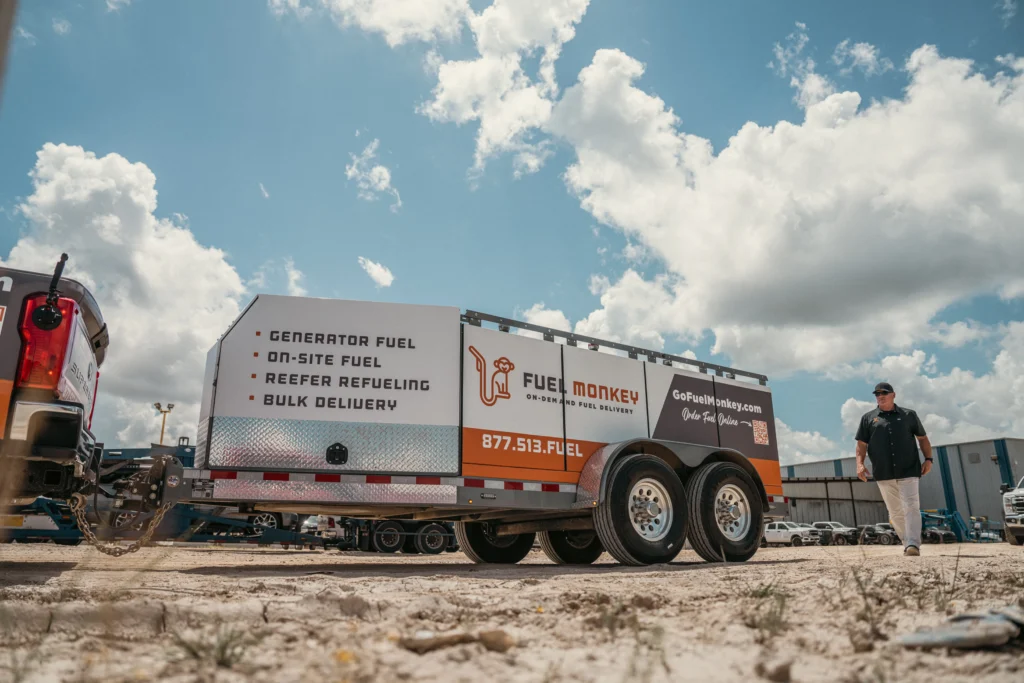
Keeping tabs on fuel does not have to be a full-time job, but it does need to be someone’s job. At Fuel Monkey, we see the difference that reliable fuel deliveries and consistent tracking make on job sites every day. We help construction teams and fleet operators get quality fuel where they need it.
Whether you need onsite delivery, fleet fuel management, or just want to talk through your current setup, we are here 24/7. Let us know what you need, and we will help you keep your site running without the guesswork. Contact us now to schedule your fuel delivery.