
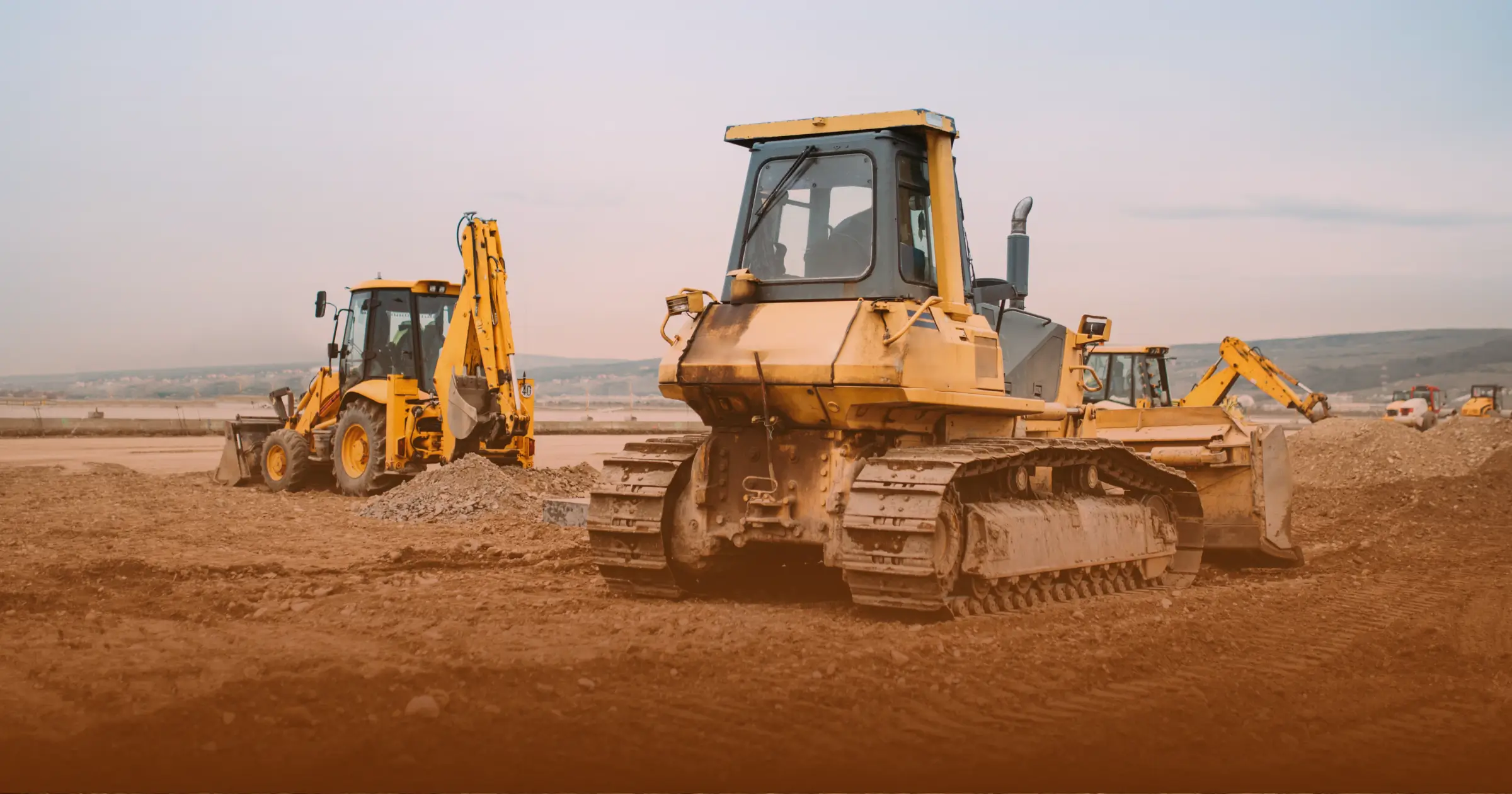
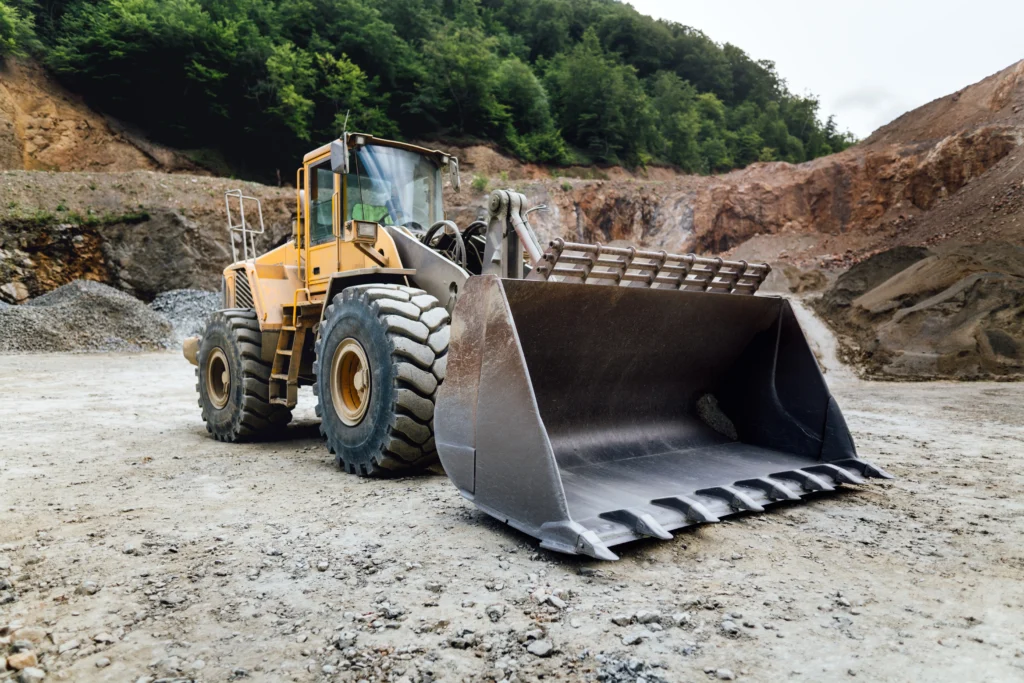
You fire up a bulldozer first thing in the morning, and instead of the usual rumble, you get a hard start and a cloud of black smoke. Or maybe a loader loses power halfway through a lift. When your crew pops the fuel filter, it is packed with dark slime. These moments are not random bad luck.
Fuel quality issues happen when diesel or gasoline degrades or becomes contaminated with water, debris, or microbes. In heavy equipment, even small amounts can damage injectors, reduce combustion efficiency, and increase downtime.
We see this all the time at Fuel Monkey. Whether you’re running construction equipment on a busy site or managing remote operations, poor fuel quality can quietly eat into productivity and repair budgets. This detailed guide explains what causes fuel quality issues, how to identify them, and how to fix and prevent them in field operations.
What Are Fuel Quality Issues in Heavy Equipment?
Fuel quality issues refer to any condition where fuel is contaminated, degraded, or outside acceptable specifications. When fuel isn’t clean or stable, it doesn’t burn properly. This affects equipment performance. Components also wear faster than they should.
Basically, if your fuel isn’t clean and chemically stable, your equipment won’t run the way it should.
For those asking, “What is heavy equipment?”, think of the heavy equipment videos you watch online of excavators, bulldozers, loaders, and even generators. These machines rely on consistent fuel quality to operate under heavy loads. Any variation in fuel condition surfaces quickly in performance.
Types of Fuel Quality Problems
Not all fuel contamination looks the same. These are the most common types found in heavy equipment operations:
- Water contamination: Water is one of the most common and damaging issues. It enters fuel systems through condensation or leaks. Free water settles at the bottom of tanks, while emulsified water mixes with fuel and is harder to detect.
- Particulate contamination: Dust from job sites, rust from tanks, and debris from handling equipment can all end up in fuel. These particles clog filters and damage injectors.
- Microbial growth: Bacteria and fungi grow in the presence of water and fuel, forming sludge that blocks filters and lines.
- Oxidation and fuel degradation: Diesel left sitting for months reacts with oxygen, forming gums and varnishes. Such fuel then loses its ability to ignite properly.
- Incorrect fuel type or mixing: The wrong grade of fuel can affect engine combustion and void equipment warranties. Accidentally mixing fuel types also has the same effect.
Why Heavy Equipment Is More Vulnerable
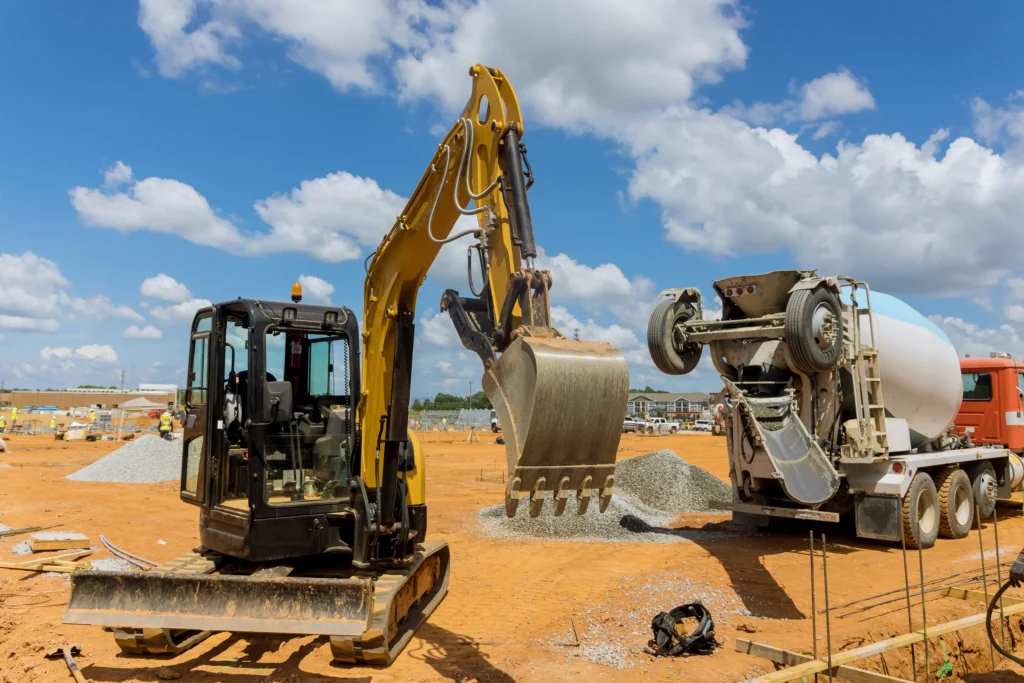
Construction heavy equipment doesn’t get the same gentle treatment as trucks or passenger vehicles that burn fuel every day. Here’s why they are more vulnerable:
- Long idle periods: Equipment that sits between seasons or project cycles gives fuel time to degrade and water to accumulate.
- Large storage tanks: Big tanks exposed to the weather experience more temperature cycling, leading to condensation.
- High fuel consumption rates: Construction heavy equipment burns large volumes of fuel, increasing the risk of contaminants entering the system.
- Remote job site refueling: Field conditions may require you to fuel from a slip tank in the back of a pickup or from drums on a dusty site. This may introduce dirt and moisture that a controlled depot wouldn’t.
Common Causes of Fuel Quality Issues
Fuel quality issues rarely come from a single mistake. They build up over time through how you store, handle, and expose your fuel on site.
Storage-Related Causes
Storage-related fuel issues often begin with condensation inside tanks. Here, temperature changes cause moisture to form and settle at the bottom, eventually mixing with the fuel.
Poor tank sealing or ventilation worsens the problem, allowing rain, moisture, dirt, and humid air to enter through gaps or faulty vents. Additionally, when fuel sits for long periods without turnover, it begins to degrade, losing stability and forming sludge that can clog filters and damage injectors.
Handling and Transfer Issues
Handling and transfer issues are a common source of fuel contamination, especially when you overlook basic practices. For instance, failing to clean hoses and pumps can introduce dirt and residue into the fuel system. Cross‑contamination can also occur if you handle different fuel types with the same equipment, leaving behind traces that compromise combustion. Transferring fuel without proper filtration also allows particles and water to move straight into the tank.
Environmental Factors
Temperature fluctuations cause fuel to expand and contract, which accelerates degradation and condensation inside tanks. High humidity adds even more moisture to the system, creating ideal conditions for microbial growth. At the same time, dusty job site conditions increase the risk of contamination, as fine particles can enter tanks and fuel systems.
Symptoms of Poor Fuel Quality in Equipment
To catch poor fuel quality symptoms early, look at how your equipment runs and what comes out of the exhaust. Also, be keen on what you find during maintenance.
Performance Issues
- Hard starting or failure to start: Contaminated fuel doesn’t ignite properly, particularly in cold weather.
- Loss of power under load: Degraded fuel doesn’t burn with enough energy to sustain maximum output.
- Increased fuel consumption: Inefficient combustion means the engine burns more fuel to do the same work.
Engine and Exhaust Signs
- Black or white smoke: Black smoke suggests incomplete combustion, while white smoke can indicate water in diesel heavy machinery.
- Engine knocking or misfiring: Poor fuel quality disrupts combustion, leading to knocking sounds and misfires due to injector damage.
- Overheating: Contaminated fuel burns unevenly, putting extra thermal stress on engine components.
Maintenance Indicators
- Frequent fuel filter clogging: Filters catching more debris or sludge than usual could indicate fuel system issues.
- Water in separators: Water separators filling up faster than expected is a telltale sign of water contamination.
- Sludge in tanks or lines: Visible sludge during maintenance is a direct sign of microbial activity or fuel degradation.
How Fuel Quality Issues Damage Heavy Equipment
The damage from poor fuel quality happens gradually, working its way through the fuel system and into the engine. Here’s how fuel quality issues affect your equipment.
Fuel System Damage
- Injector wear and blockage: Particles and sludge block injectors and wear down internal components, reducing combustion quality. This, in the long run, leads to fuel system damage in heavy equipment.
- Pump failure due to poor lubrication: Water and degraded fuel reduce the lubricity that diesel pumps rely on, leading to wear and equipment failure.
Combustion Problems
- Incomplete combustion: Contaminated fuel burns inconsistently, leaving unburned hydrocarbons that increase emissions and reduce power output.
- Carbon buildup: Incomplete combustion deposits carbon on injectors, valves, cylinders, and combustion chamber walls, worsening performance over time.
Operational Impact
- Equipment downtime: Fuel-related failures pull machines off the job at the worst possible times.
- Increased repair frequency: Components fail prematurely due to fuel quality issues, leading to higher maintenance costs.
- Reduced equipment lifespan: Long-term exposure to poor fuel quality shortens the life of heavy equipment.
Acceptable Fuel Quality Standards
Understanding what “good fuel” looks like helps you catch problems early before they affect performance.
First, the water content should remain below 200 parts per million (ppm), as higher levels can damage injectors and promote microbial growth.
Next, cleanliness levels should follow the International Organization for Standardization (ISO) 4406 standard that classifies contamination by particle count. Most diesel engines perform best at ISO cleanliness code 16/14/11 or better. Codes above 18/16/13 indicate unacceptable contamination levels.
Finally, diesel should fall within a cetane rating range of 40 to 55 for reliable ignition and consistent combustion. Lower cetane makes cold starts harder and can increase smoke.
How to Fix Fuel Quality Issues
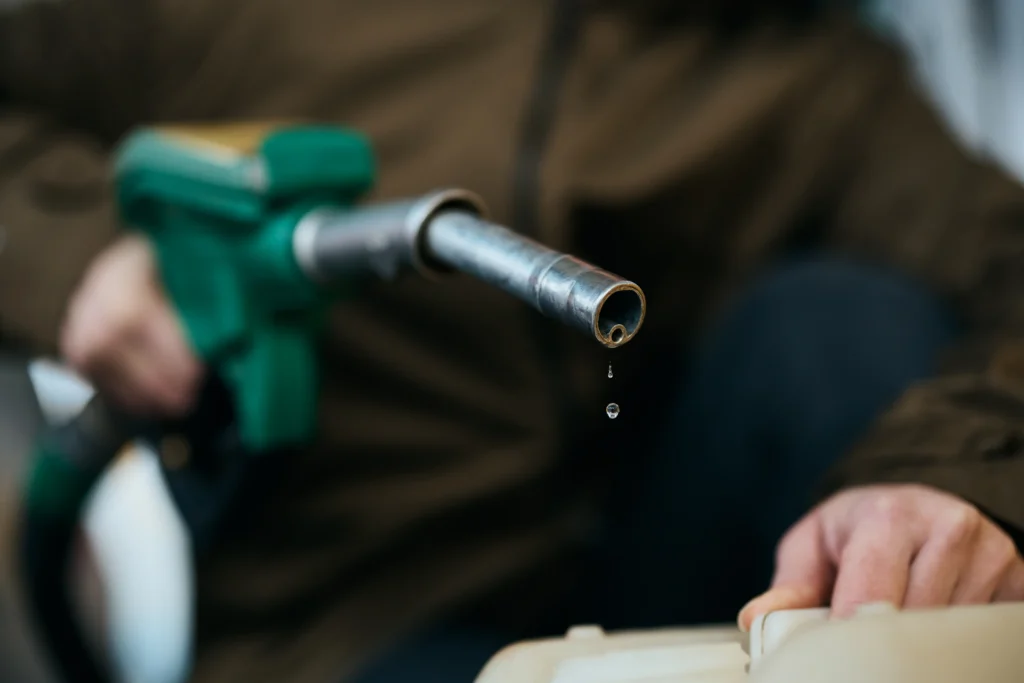
When you identify a fuel quality issue, an immediate response can prevent extensive equipment damage. Letting contaminated fuel continue to circulate in your fuel systems extends the damage period.
Immediate Actions
- Stop using contaminated fuel: Pull the equipment offline and isolate the fuel source before doing anything else.
- Replace clogged filters: Install fresh filters before returning equipment to service, even if filters haven’t reached their regular change interval.
- Drain water separators: Empty and inspect water separators to remove accumulated water from the system.
Fuel Treatment Options
- Fuel polishing: This process circulates stored fuel through filtration and separation equipment to remove particles and water, restoring fuel quality.
- Biocide treatment for microbial growth: Chemical treatments kill bacteria and fungi that form sludge in tanks.
- Additives for stability: Fuel stabilizers slow oxidation and keep fuel usable for longer periods.
Tank Cleaning
- Remove sludge and residue: Drain the tank completely and manually remove accumulated sludge before refilling. Leaving residue in place recontaminates fresh fuel.
- Inspect tank integrity: Check for leaks and corrosion to make sure contaminants don’t reenter the system.
How to Prevent Fuel Quality Problems
Prevention isn’t complicated. It’s mostly about habits that cost almost nothing but spare you the stress of a dead machine on a tight deadline. Most fuel quality problems are avoidable with consistent storage, handling, and maintenance habits.
Storage Best Practices
Prevention starts with proper storage. Make sure you seal all tanks and keep them dry to limit exposure to moisture and dust.
Reducing air space inside tanks also helps limit condensation. This is why you should fill tanks to minimize the air volume inside. Regular tank inspections are just as important. They allow you to check for water and sludge before they become bigger issues.
Handling Best Practices
Every transfer of fuel is a potential entry point for contaminants. That’s why filtration during transfer is important. Also, using clean, dedicated equipment for each fuel type helps prevent cross-contamination, especially on busy job sites. Lastly, label everything clearly and train your crew so that no one accidentally mixes different types of fuel.
Maintenance Routine
A consistent maintenance routine can help you solve fuel quality problems. To begin, regular fuel sampling can help you identify issues early, before they affect equipment performance. Also, replace your filters on schedule rather than waiting for blockages, which reduces strain on pumps and injectors. Finally, monitor fuel usage and turnover so that stored fuel doesn’t sit long enough to degrade.
Fuel Quality Checklist
Here’s a quick checklist to use before and during operations:
- Inspect fuel visually before use
- Test for water regularly
- Keep storage tanks clean and sealed
- Use filtration during transfer
- Address contamination immediately
Key Takeaways
- Fuel quality issues reduce engine performance and increase maintenance costs.
- Water and microbial growth are the most common causes of diesel contamination in heavy equipment.
- Early detection starts with fuel sampling and filter checks.
- Poor storage and handling are leading risk factors.
- Regular testing and filtration reduce equipment downtime.
FAQs
What causes fuel quality issues in heavy equipment?
The most common causes are water contamination from condensation in storage tanks, microbial growth at the water-fuel interface, particulate buildup from dirty transfer equipment, and fuel oxidation from extended storage.
How do I know if diesel fuel is bad?
Look for signs such as a cloudy appearance, water separation, an unusual odor, or sludge. In equipment, hard starting, black or white smoke, power loss, and clogged filters are common indicators.
Can contaminated fuel damage injectors?
Yes. Particles and microbial sludge can block injectors, while water reduces lubrication and causes wear. This leads to uneven fuel delivery and costly repairs.
How often should fuel be tested?
At a minimum, test stored diesel quarterly, or more often for high-use fleets. You can perform a visual fuel check every week.
Can fuel quality issues be fixed without replacing fuel?
In many cases, yes. Fuel polishing can restore contaminated diesel by filtering out particulates and separating water. Biocide treatment and stability additives can handle microbial growth and oxidation.
Get Quality Fuel To Keep Your Heavy Equipment Running Today
When diesel fuel problems put your heavy equipment at risk, you need fast answers and a fuel supply you can trust. At Fuel Monkey, we deliver clean, high-quality diesel and gasoline straight to your job site. Our experienced team applies filtration and handling practices that keep water and debris out of your tank.
Whether you need an emergency top-off or want to set up regular wet hosing to keep your tanks full and free of condensation, we can help. Contact us today to order high-quality fuel. We deliver diesel exactly when and where you need it.
Remember, there are no contracts, no downtime, just nonstop fuel flow for your operation.